


Introduction
As artificial intelligence continues to reshape technology landscapes, October has brought a flurry of developments across AI video creation, operating system quirks, major corporate strategies, and emerging safety concerns. From OpenAI’s new pay-to-play video credits to Apple’s ambitious AI integrations, tech giants are accelerating innovation while navigating fresh challenges. This roundup covers the latest stories shaping AI, automation, and creative tech.
OpenAI’s Sora Expands AI Video Creation with Paid Credits
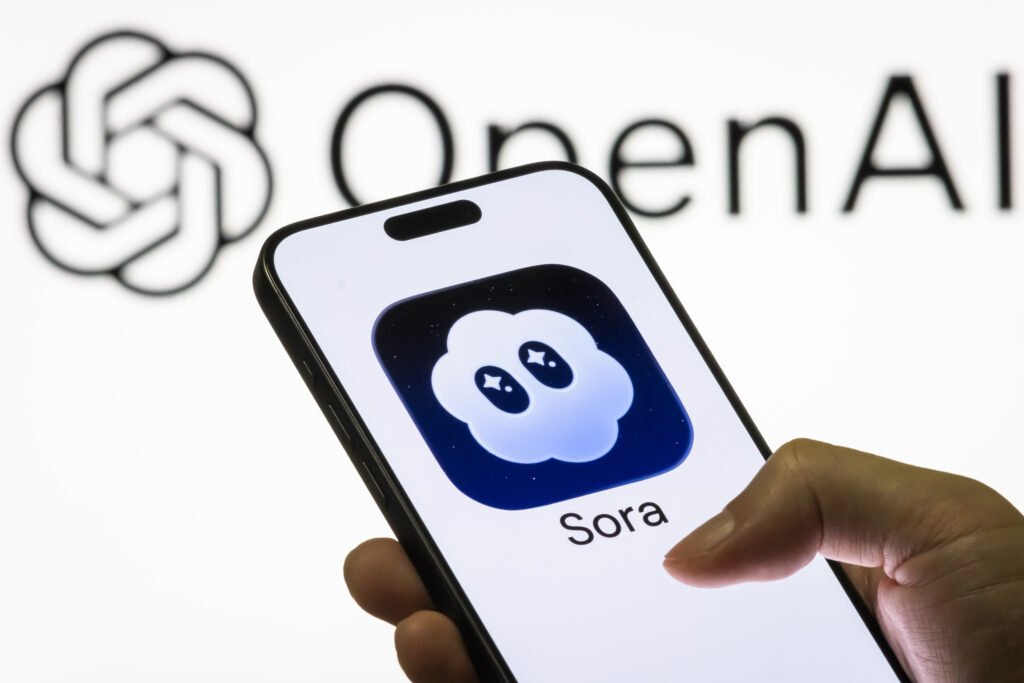
For creators rapidly exhausting their free video generation allowances on OpenAI’s Sora platform, there’s good news: users can now purchase additional credits to keep producing AI-generated videos. According to The Verge, this move prepares users for an eventual reduction in free credits as OpenAI seeks to monetize video generation more aggressively. Sora’s team lead Bill Peebles indicated that this step is part of an evolving model to balance user demand and operational costs. This flexibility is a boon for content creators relying on AI to scale video production, signaling a maturing AI video marketplace.
Windows 11 Bug Causes Task Manager to Duplicate Instead of Close
Windows 11 users faced a frustrating glitch triggered by the KB5067036 optional update, where attempting to close Task Manager instead duplicates the app window repeatedly. Reports surfaced on Reddit and from tech journalists, including Tom Warren of The Verge. The bug disrupts workflows for power users and system administrators who rely on Task Manager for system troubleshooting. Microsoft is expected to address this in upcoming patches, underscoring the challenges of managing complex software updates in widely deployed operating systems.
Microsoft’s Strategic Push with GitHub Agent Platform
At the recent GitHub Universe conference, Microsoft unveiled its vision to dominate the AI agent space by integrating intelligent agents into developer workflows. As detailed in The Verge’s coverage of Alex Heath’s newsletter, Microsoft aims to leverage GitHub’s massive developer ecosystem to create AI assistants that automate coding, testing, and deployment tasks. This strategy aligns with Microsoft’s broader AI ambitions, positioning it as a central player in AI-driven software development and automation.
Apple’s AI Ecosystem to Grow with More Third-Party Integrations
Apple CEO Tim Cook revealed plans to embed more third-party AI tools into Apple’s operating systems, expanding beyond the current ChatGPT integration in Siri. An upcoming Google Gemini integration is rumored to be in the works, reflecting Apple’s intention “to integrate with more people over time,” as reported by The Verge. This direction signals Apple’s cautious but clear commitment to enhancing user experiences through AI, balancing privacy concerns with cutting-edge technology adoption.
Character.AI Implements Chat Restrictions for Under-18 Users
In response to recent lawsuits concerning teen deaths allegedly linked to AI companion app interactions, Character.AI announced plans to impose stricter chat restrictions for users under 18. The move, covered by Ars Technica, underscores growing legal and regulatory pressures on AI platforms to safeguard vulnerable populations. This development highlights the ethical and safety challenges facing AI developers as their products increasingly interact with minors and sensitive users.
Quick Hits
- Samsung’s Galaxy Buds 3 Pro Price Drop: The noise-canceling earbuds are currently at their lowest price in months, around $165 at Amazon and Best Buy, making them a great alternative to Apple AirPods Pro. (The Verge)
- OpenAI’s IPO Buzz: Despite recent quarterly losses, OpenAI is reportedly eyeing a $1 trillion IPO, potentially making it one of the largest tech IPOs ever. (Ars Technica)
- Cold Vaccine Challenges: The complexity of the common cold virus has delayed vaccine development, with researchers still working to overcome biological hurdles. (MIT Technology Review)
Trend Analysis: The AI Ecosystem Matures Amid Regulatory and Technical Challenges
This month’s developments paint a picture of an AI ecosystem rapidly expanding while grappling with growing pains. OpenAI’s monetization of AI video credits signals a shift toward sustainable business models, as demand for creative AI tools surges. Meanwhile, Apple’s and Microsoft’s strategic moves underscore a race to embed AI deeply into operating systems and developer tools, shaping how users and professionals interact with technology daily.
However, these innovations come with increasing regulatory scrutiny, as seen in Character.AI’s restrictions following tragic incidents involving minors. Safety and ethics are becoming central to AI deployment conversations, pushing companies to innovate responsibly. Additionally, technical issues like Windows 11’s Task Manager bug highlight that even mature platforms must continuously refine their complex software ecosystems.
Overall, the AI landscape is evolving into a nuanced interplay of opportunity, responsibility, and technical refinement — a dynamic that will define the next wave of tech innovation.
Conclusion
As AI continues to permeate creative workflows, operating systems, and user experiences, the balance between innovation, safety, and usability grows ever more delicate. Will companies like OpenAI, Microsoft, and Apple successfully navigate these waters to deliver transformative yet responsible AI tools? And how will regulatory pressures shape the future of AI applications in sensitive areas such as youth interaction and healthcare? The answers will likely shape the technology of tomorrow.
What developments or challenges do you think will most impact AI’s trajectory in the next year?
Leave a Reply