


Introduction
As technology continues to evolve at a breakneck pace, 2024 has already delivered an impressive array of innovations and challenges across AI, smart devices, and digital rights. From smarter artificial intelligence that streamlines business workflows to cutting-edge smart home security gadgets, tech enthusiasts and everyday users alike are benefiting from new solutions designed to enhance convenience, security, and user experience. At the same time, the complex landscape of digital rights and surveillance raises critical questions about privacy and freedom in an increasingly connected world.
AI Innovations Making Business Smarter and Faster
Artificial intelligence continues to be a major driver of technological transformation. Anthropic’s recently launched “Skills” feature for its Claude AI is a notable advancement, enabling the assistant to access specialized expertise on demand. This capability allows businesses to automate complex workflows more efficiently, reducing costs and improving consistency. The modular design of “Skills” folders containing instructions and scripts marks a significant step toward AI systems that better understand and adapt to specific enterprise needs.
In parallel, Microsoft’s launch of ‘Hey Copilot’ and autonomous agents across all Windows 11 PCs signals a major shift in everyday computing. Voice-activated AI assistants and intelligent agents integrated directly into the OS promise to revolutionize how users interact with their computers—making tasks more intuitive, context-aware, and hands-free. This democratization of AI on the desktop enhances productivity and accessibility for millions worldwide.
Smart Home Tech: Security and Convenience Reimagined
Smart home devices continue to grow in sophistication and popularity. A thorough review of 30 smart locks highlights how these gadgets solve everyday dilemmas such as locking yourself out, granting temporary access, and managing entry remotely. Smart locks not only enhance security but also blend convenience with seamless integration into existing smart home ecosystems.
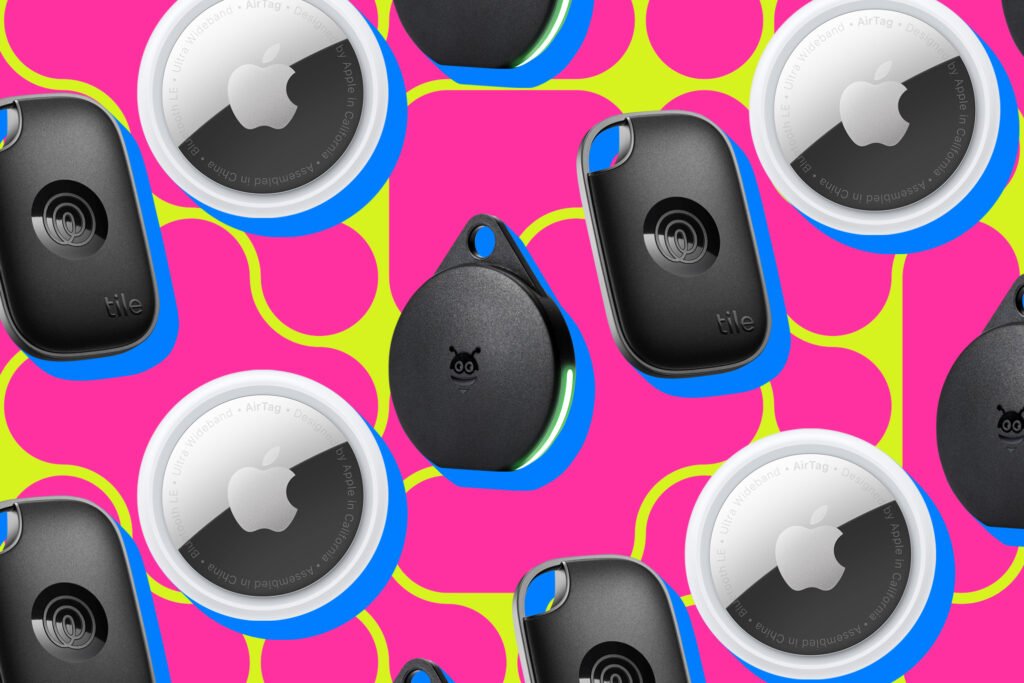
On the personal item tracking front, Bluetooth trackers for Apple and Android phones remain indispensable for “the rest of us” who frequently misplace keys, wallets, or remotes. With improved range, battery life, and app integrations, these trackers provide peace of mind, helping users stay organized in a busy, connected world.
Creative Tech: Instant Cameras Meet the Selfie Era
Fujifilm’s latest update to its Instax Mini LiPlay camera embraces the selfie generation by combining instant print technology with digital photo capture and audio clips. The Instax Mini LiPlay Plus merges nostalgia with modern social media sensibilities, allowing users to instantly print physical photos while also creating shareable digital content—bridging the gap between analog charm and digital convenience.
Digital Rights and Privacy Under Pressure
Amid these technological advances, concerns over privacy and digital rights remain urgent. The Electronic Frontier Foundation’s lawsuit against the Trump administration’s “Catch-and-Revoke” visa policy challenges the invasive monitoring of immigrants’ social media. This practice threatens free speech and due process, highlighting the need for robust protections in the digital age.
Additionally, a federal judge in Chicago has ordered ICE agents involved in enforcement operations to use body cameras, a move toward greater transparency and accountability in immigration enforcement reported by The Verge. While logistical hurdles remain, this decision signals a growing demand for oversight in law enforcement practices tied to technology.
Quick Hits
- Strella’s AI Interviews: Amazon and Chobani are adopting Strella’s AI-powered customer research platform, which recently raised $14 million to scale its capabilities in extracting consumer insights faster than traditional methods. Read more.
- ACE Framework: Stanford University and SambaNova introduced Agentic Context Engineering (ACE), a new framework to help AI agents self-improve by dynamically evolving their context windows, addressing a key challenge in large language model applications. Learn more.
- Antimicrobial Resistance Quiz: MIT Technology Review highlights the growing threat of antibiotic resistance with an interactive quiz to increase awareness of this critical global health issue. Try the quiz.
Trend Analysis: The Convergence of AI, Privacy, and Everyday Tech
What stands out amid these stories is the converging trajectory of AI integration into daily life and the parallel intensification of privacy and ethical concerns. AI advancements, such as Anthropic’s Skills and Microsoft’s Copilot, are making technology more accessible and adaptive, empowering users and enterprises alike. Meanwhile, smart home devices and personal trackers are becoming indispensable tools for security and convenience.
However, as AI and tech permeate more aspects of life, the challenge of safeguarding digital rights grows more complex. The lawsuits and judicial orders on surveillance and enforcement underscore the tension between technological capability and civil liberties. This tension will likely shape policy, public discourse, and development priorities moving forward.
Ultimately, the tech landscape in 2024 is defined by a delicate balance—between innovation that enhances life and the responsibility to protect privacy and human rights in a digital world.
Conclusion
From AI-powered business assistants to smart locks that open doors remotely, technology continues to push boundaries and improve everyday experiences. Yet, as these capabilities expand, so do questions about how we govern digital surveillance, protect individual freedoms, and maintain trust in technology. How can we ensure that the rapid pace of innovation benefits society as a whole without compromising privacy and ethics? The answers will require collaboration between technologists, policymakers, and users alike.
What emerging technology do you think will have the biggest impact in the coming year, and how should we address the challenges that come with it?
Leave a Reply