


Introduction
The technology landscape continues to evolve at a breakneck pace, driven by advancements in AI, hardware innovation, and new media deals transforming user experience. From the gaming performance boosts on Windows on Arm devices to record-breaking AI chip sales by Nvidia, and the launch of groundbreaking AI models and startups, 2025 is shaping up to be a pivotal year. This roundup dives into the most impactful developments recently reported, highlighting how these changes are influencing the future of AI, automation, and creative technology.
Windows on Arm Steps Up Its Gaming Game
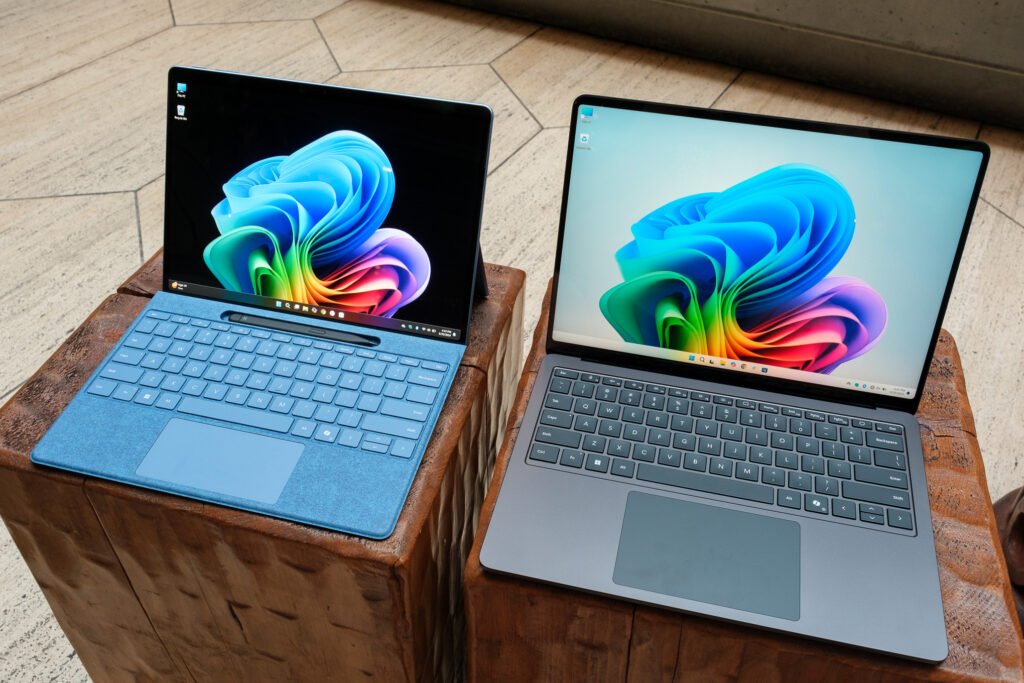
Windows on Arm, once criticized for its lackluster gaming support, is finally stepping into the spotlight for gamers. Qualcomm’s Snapdragon X Elite laptops promised seamless gaming “out of the box” last year, but real-world tests showed otherwise. Fast forward to today, and significant improvements have arrived: enhanced emulation, updated drivers, and a new Snapdragon Control Panel have collectively boosted compatibility and performance. These changes make Windows on Arm a more viable platform for gaming enthusiasts looking for energy-efficient, lightweight devices. This marks a substantial step toward bridging the gap between Arm-based laptops and traditional x86 gaming rigs. For more details, see The Verge’s coverage.
Nvidia’s AI Chip Sales Soar to New Heights
Nvidia’s Q3 2026 earnings reveal a staggering surge in AI chip sales, with the company surpassing its own revenue estimates. Pulling in a record $57 billion and roughly $4,000 of profit per second, Nvidia’s data center business grew by $10 billion in just three months. This phenomenal growth underscores the escalating demand for AI infrastructure as enterprises race to adopt AI-powered solutions. Notably, some of Nvidia’s AI GPUs are reportedly sold out, signaling a supply chain under intense pressure. This milestone reinforces Nvidia’s position as a critical supplier in the AI hardware ecosystem. Details are available at The Verge.
Google Maps Integrates Gemini AI for Smarter Experiences
Google Maps is enhancing user experience with the integration of Gemini-powered AI features. The new “know before you go” tips section offers real-time, context-aware information about restaurants, hotels, and venues. Additionally, predictive analytics now forecast electric vehicle (EV) charger availability, addressing a key pain point for EV drivers. These AI-driven updates showcase how location services can become more intuitive and personalized, leveraging the power of large language models and machine learning to anticipate user needs. Further insights can be found on TechCrunch.
OpenAI Unveils GPT‑5.1-Codex-Max, Revolutionizing AI-Assisted Coding
OpenAI has launched GPT‑5.1-Codex-Max, a next-generation coding model designed to handle complex, long-horizon software development tasks with improved efficiency and interaction. This model replaces GPT‑5.1-Codex across all integrated surfaces, signaling a new era for AI-assisted programming. The model’s ability to autonomously complete a 24-hour coding task internally showcases its potential for persistent, high-context development workflows, making it a valuable tool for developers seeking to accelerate project completion and reduce errors. More on this breakthrough is available at VentureBeat.
Emerging AI Startups Challenge Industry Giants
Innovation is not limited to established players. The founders of OpenCV, creators of a widely used computer vision library, have launched CraftStory — an AI video generation startup that produces realistic, human-centric videos up to five minutes long. This leap surpasses competitors like OpenAI’s Sora and Google’s Veo, promising new possibilities in creative content generation. Backed by $2 million in initial funding, CraftStory aims to expand the capabilities of AI-driven video production. For the full story, visit VentureBeat.
Major League Baseball and Netflix Strike a Streaming Deal
In a notable move for sports and streaming media, Major League Baseball signed a three-year agreement with Netflix to stream live games. This deal, valued at approximately $50 million annually, marks Netflix’s expansion into live sports broadcasting and enriches its content library. The collaboration highlights the growing intersection between entertainment platforms and live sports, driven by consumer demand for flexible, on-demand viewing experiences. The detailed announcement is available at The Verge.
Quick Hits
- AI Regulation Moves: Former President Trump is poised to sign an executive order centralizing AI regulation at the federal level, potentially overriding state AI legislation through a new AI Litigation Task Force. (The Verge)
- Fetch AI Launches AI Agent Platforms: Fetch AI introduces ASI:One and Business tier products to create interoperable AI agent ecosystems, enabling trusted, scalable AI coordination. (VentureBeat)
- Future of Electricity: The IEA’s latest World Energy Outlook reveals rising electricity demand intersecting with AI adoption, underscoring energy’s central role in tech’s future. (MIT Technology Review)
Trend Analysis: AI’s Expanding Ecosystem and Hardware Demand
The convergence of hardware innovation and AI software development defines the current tech momentum. Nvidia’s unprecedented AI chip sales signal an insatiable demand for compute power essential for training and running large AI models, paralleled by OpenAI’s leap forward with the GPT‑5.1-Codex-Max model enhancing coding workflows. Meanwhile, AI startups like CraftStory and Fetch AI are broadening the application landscape, pushing creative and operational boundaries.
Simultaneously, platforms such as Google Maps leverage AI to enrich everyday experiences, demonstrating AI’s increasing integration into consumer-facing products. Regulatory developments, such as the potential federal AI regulatory framework, indicate that governance is beginning to catch up with technology, aiming to harmonize standards across states.
On the hardware front, Windows on Arm’s gaming improvements reveal the growing viability of alternative architectures beyond traditional x86 CPUs, potentially impacting how devices are designed and consumed in the near future.
Conclusion
The tech ecosystem in 2025 is marked by rapid AI innovation, surging hardware demand, and evolving regulation. As tools like GPT‑5.1-Codex-Max and AI-generated video platforms redefine creativity and productivity, and as hardware manufacturers meet the growing needs of AI workloads, the question becomes: how will these advancements reshape not just technology, but society at large? Will AI-driven automation create new opportunities for human creativity, or will it challenge existing economic and regulatory frameworks? The journey ahead promises to be as exciting as it is complex.
What do you think will be the next breakthrough that changes the way we interact with AI and technology?
Leave a Reply