


Introduction
As we move deeper into 2025, the intersection of AI, automation, and creative technology continues to reshape industries at a rapid pace. From Intel’s strategic pivots in the PC market to Microsoft’s aggressive AI integrations, and from AI startups disrupting traditional workflows to innovative hardware upgrades like Lego Game Boy kits, this year is packed with transformative developments. In this post, we’ll explore the most exciting recent stories shaping the tech landscape and what they mean for the future.
Intel’s Strategic Shift Amid Industry Growth
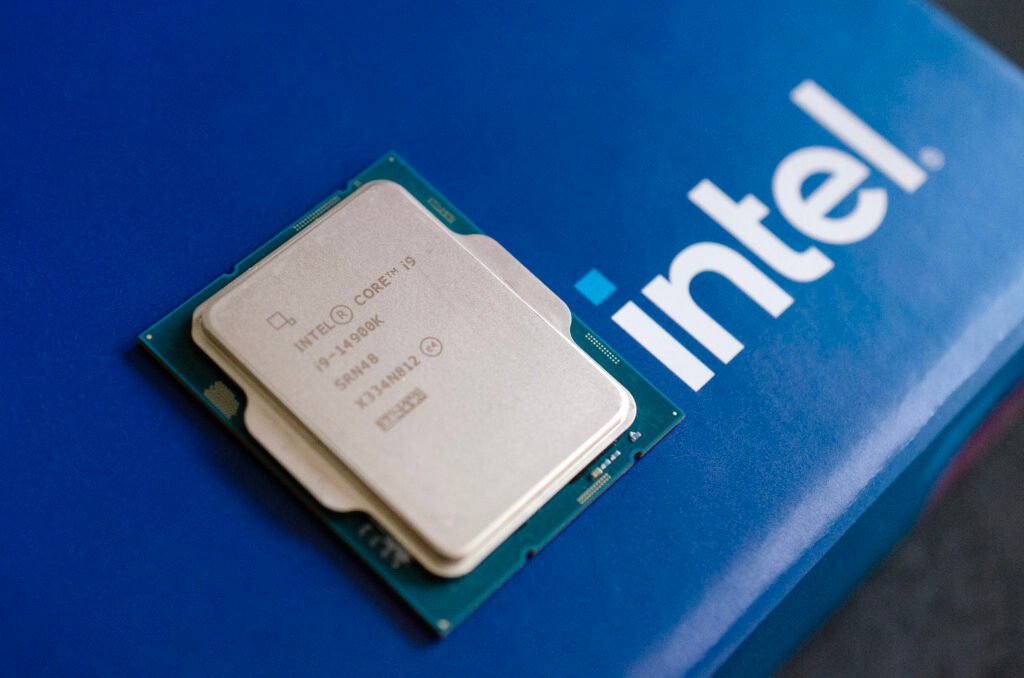
Intel, once famous for its “tick-tock” chip release cadence, has now officially moved past this model as it faces a challenging market. Despite Windows 10’s decline and fierce competition, Intel anticipates the PC industry to grow significantly — the strongest resurgence since the pandemic-driven boom in 2021. The company’s survival and growth depend on partnerships and lifelines from tech giants like Nvidia and Softbank, signaling a new era of collaboration and innovation for the chipmaker. This shift is critical as Intel aims to regain relevance in a landscape increasingly dominated by AI-enabled workloads and specialized processors.
Read more at The Verge.
Microsoft Edge’s Copilot Mode and AI Assistant Evolution
Microsoft is doubling down on AI with the launch of “Copilot Mode” in its Edge browser, making AI-powered assistance an integral part of web navigation. Each new tab opens a chat window where users can ask questions, search, or control browsing via natural language. This innovation builds on Microsoft’s broader Copilot ecosystem, which recently received a major update featuring 12 new capabilities, including the addition of an AI assistant character named Mico. These advancements deepen integration across Windows, Edge, and Microsoft 365, helping users boost productivity while maintaining data privacy and control.
Discover the full details at The Verge and VentureBeat.
OpenAI Expands AI Interfaces and Enterprise Solutions
OpenAI continues to broaden its AI footprint by acquiring Sky, an AI-powered natural language interface for Mac that can interact directly with users’ apps and screen content. This acquisition signals OpenAI’s commitment to making AI more seamlessly integrated into daily workflows across platforms.
Additionally, OpenAI has launched “company knowledge” in ChatGPT for its Business, Enterprise, and Education plans. This new feature lets organizations query their internal data from tools like Google Drive, Slack, GitHub, and more, essentially creating an AI-powered internal search engine that understands and synthesizes company knowledge efficiently.
Learn more at TechCrunch and VentureBeat.
Startups and Innovation: Turbo AI’s Meteoric Rise
In an inspiring story of youthful entrepreneurship, two 20-year-old college dropouts, Rudy Arora and Sarthak Dhawan, developed Turbo AI, an AI notetaker app that has amassed over five million users and generated eight-figure annual recurring revenue. This rapid growth highlights how AI applications tailored to productivity and everyday use are attracting massive user bases, disrupting traditional markets, and opening new opportunities for founders outside the conventional tech ecosystem.
Details available at TechCrunch.
Automotive AI Overhaul: GM’s Next-Gen Cadillac Escalade IQ
Automotive giant General Motors is placing AI and automated driving front and center in a major technological overhaul debuting in the Cadillac Escalade IQ in 2027. This move underscores the industry-wide shift towards intelligent vehicles that rely heavily on AI for enhanced safety, navigation, and user experience, marking a significant step toward fully autonomous and smarter mobility solutions.
More info at TechCrunch.
Creative Tech Highlight: Lego Game Boy Upgrade with Real Nintendo Chips
In a fascinating blend of nostalgia and modern tech, creator Natalie the Nerd has enhanced the official Lego Game Boy kit to play real Game Boy cartridges using authentic Nintendo chips. This development elevates the Lego set from a static model to a functional vintage gaming device, showcasing how creative technology can unlock new experiences by merging old and new hardware.
Explore the story at The Verge.
Quick Hits
- Sonos’ Comeback: New CEO Tom Conrad aims to restore Sonos’ position as a leader in whole-home audio, following a turbulent year and mobile app controversies (The Verge).
- Nike’s Climate-Conscious Gear: Nike’s Aero-FIT cooling technology debuts in 2026 football kits, designed to help athletes stay cool amid rising global temperatures (The Verge).
- Microsoft Copilot’s AI Character: The addition of Mico, an AI assistant character, personalizes the AI experience and may signal a new trend in humanizing digital assistants (VentureBeat).
Trend Analysis: AI Integration Across Platforms and Industries
The stories from 2025 reveal a clear pattern: AI is no longer a niche technology but a core component integrated deeply across platforms, hardware, and industries. From Intel adapting to AI-driven chip demands to Microsoft embedding AI assistants ubiquitously in browsers and productivity suites, the AI wave is about enhancing user experience and efficiency.
Furthermore, AI startups like Turbo AI demonstrate how accessible AI tools empower new entrepreneurs to disrupt traditional markets rapidly. Meanwhile, OpenAI’s enterprise-focused AI solutions reflect the growing demand for intelligent knowledge management in organizations.
Creative technology also benefits from AI and hardware innovation, as seen in the Lego Game Boy upgrade, which combines nostalgia with modern tech sophistication. Finally, sectors like automotive and sportswear adapt AI and tech not just for functionality but also for climate resilience and safety.
Conclusion: What’s Next for AI and Tech Innovation?
As AI continues to embed itself into nearly every facet of technology and everyday life, companies face a dual challenge: to innovate boldly while maintaining user trust and data privacy. Will the next wave of AI be defined by seamless integration and human-centric design, or will it spark new debates on control and ethics? And how will creative tech evolve as the lines between hardware and software blur further?
One thing is certain — 2025 is proving to be a pivotal year in the AI revolution, and the coming years will reveal how deeply these innovations will reshape our world.
Leave a Reply