


Introduction
As we move deeper into 2026, connectivity and smart technology continue to shape how we live, work, and create. From debates about the safety of 5G networks versus public Wi-Fi to the untapped potential of hidden smartphone sensors, understanding these technologies can empower users to make smarter decisions. This article compares some of the latest insights and tools across connectivity and smart device features, helping you navigate the digital landscape more effectively.
5G vs. Public Wi-Fi: Which Is Safer in 2026?
One of the most pressing questions for users on the go is whether to rely on 5G data or public Wi-Fi hotspots. According to a detailed analysis by Tom’s Guide, 5G generally offers better security than public Wi-Fi, which is often unsecured and more vulnerable to attacks. However, 5G networks can vary by provider and location, and data plans might be costly for heavy users.
The article suggests that while 5G is preferable for sensitive transactions, public Wi-Fi remains useful for casual browsing if coupled with a reliable VPN and strong security practices. This balanced approach ensures users can optimize connectivity without compromising safety.
Unlocking Hidden Sensors in Android Phones
Many Android phones are equipped with sensors beyond the typical accelerometer and GPS, yet most users never unlock their full potential. A fascinating piece from MakeUseOf reveals sensors such as barometers, gyroscopes, and proximity detectors that can enhance navigation, security features, and automation tasks.
For example, the barometer sensor can improve location accuracy in mapping apps by detecting altitude changes, while gyroscopes can enhance augmented reality experiences by providing precise motion tracking. Leveraging these sensors can lead to smarter app development and more intuitive user experiences.
Spotting USB Cables That Won’t Fast Charge
Fast charging is a major convenience, but as MakeUseOf explains, not all USB-C cables are created equal. Using a cable that doesn’t support fast charging can bottleneck your device’s charging speed, leading to longer wait times and frustration.
The article offers simple tips to identify cables that support fast charging, such as checking for specific certifications and physical markings. This knowledge helps users avoid subpar accessories and ensures their devices charge efficiently.
Smart TVs Missing One Key Free App
With streaming services dominating entertainment, smart TVs often come preloaded with popular apps—but some miss out on valuable free options. According to MakeUseOf, there’s one free app that combines modern streaming with nostalgic TV viewing, offering a unique blend of content without additional cost.
Adding this app can transform your smart TV experience, providing a broader range of content options and enhancing your living room entertainment setup.
Bonus: Fastest Gaming Laptops of 2025
For creatives and gamers alike, performance matters. After testing dozens of models, Tom’s Guide highlights the top three fastest gaming laptops of 2025. These machines combine cutting-edge GPUs, CPUs, and cooling technologies to deliver smooth, immersive experiences.
Whether you’re editing high-res videos, designing 3D models, or gaming competitively, these laptops offer benchmarks that push creative possibilities.
Quick Hits
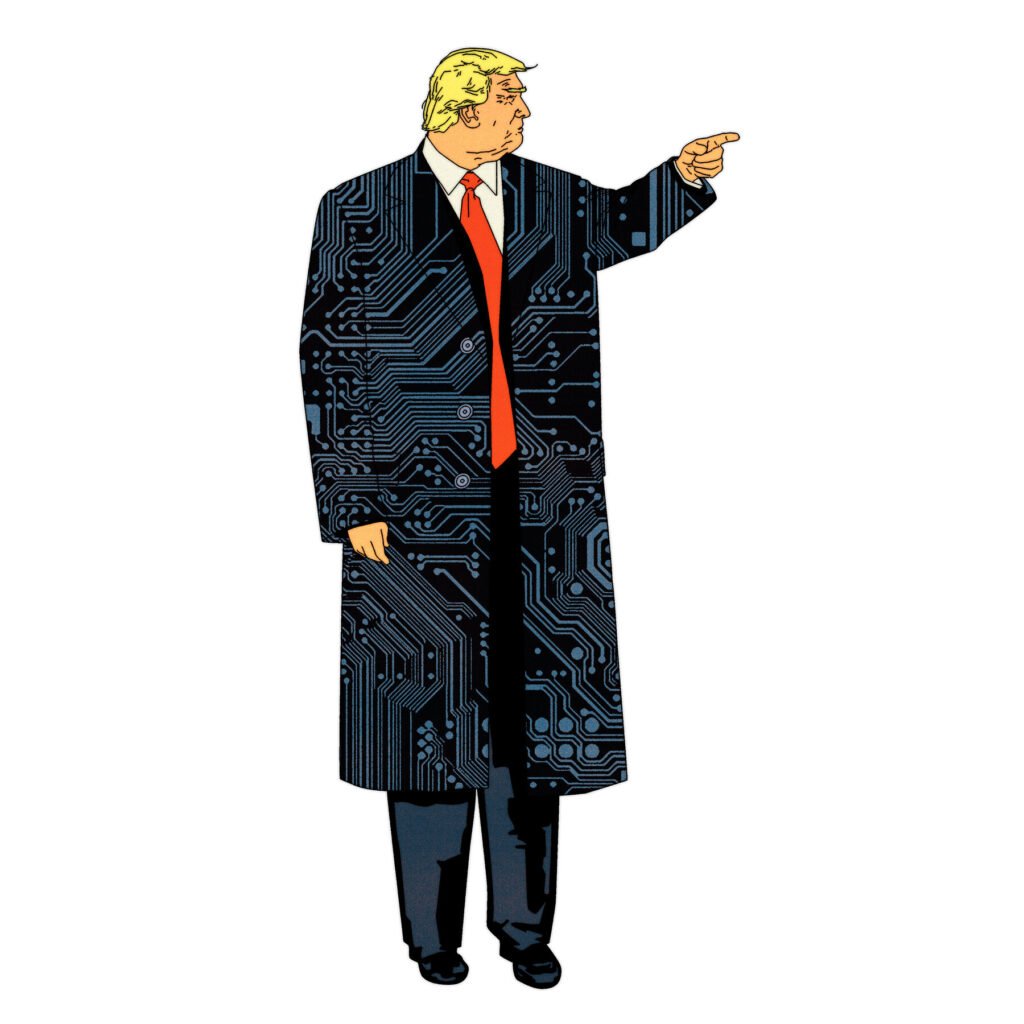
- Trump’s Tech Policies: The NYT reports on how recent government policies have favored Big Tech’s growth, sparking debate over industry influence and regulatory balance. Read more.
- Gilbertson Brothers’ Mountain Measurement: Mechanical engineers Eric and Matthew Gilbertson challenge traditional mountain height data by climbing peaks worldwide, aiming to update geographical records. More info.
- Extra Sleep Recommended: Health experts urge adding 30 minutes of sleep daily this winter to boost wellness and cognitive function. Details here.
Trend Analysis: The Convergence of Connectivity and Embedded Intelligence
Looking ahead, the ongoing evolution of connectivity technologies like 5G and the deeper integration of smart sensors within everyday devices signal a trend toward more seamless, context-aware digital experiences. As 5G networks expand and mature, they will enable faster, more reliable data transmission, crucial for real-time applications such as augmented reality, telemedicine, and autonomous systems.
Simultaneously, hidden sensors in smartphones and other smart devices are being leveraged by developers to create more personalized, efficient, and secure interactions. This convergence allows automation to become smarter and more adaptive, bridging the gap between raw data and actionable insights.
However, this also raises questions about privacy, security, and the digital divide, emphasizing the need for transparent policies and user education to maximize benefits while minimizing risks.
Conclusion
In 2026, the tools and technologies available to consumers and creators alike are more powerful than ever. Whether it’s choosing safer ways to connect online, unlocking hidden capabilities in your devices, or selecting the right hardware to fuel your creativity, understanding these options is key. As connectivity and embedded intelligence advance hand in hand, how will you adapt your tech habits to stay ahead? Are you ready to embrace smarter, more secure digital experiences?
Leave a Reply