


Introduction
Artificial intelligence and robotics have firmly planted themselves at the heart of technological progress in 2025. From life-saving robots on the battlefield to smarter home assistants in your living room, AI is no longer just a futuristic concept but a practical tool reshaping our daily lives and global events. This post breaks down some of the year’s most significant AI and automation stories, helping beginners understand what these advances mean for us all.
1. The Rise of AI-Powered Drones in Ukraine’s Conflict
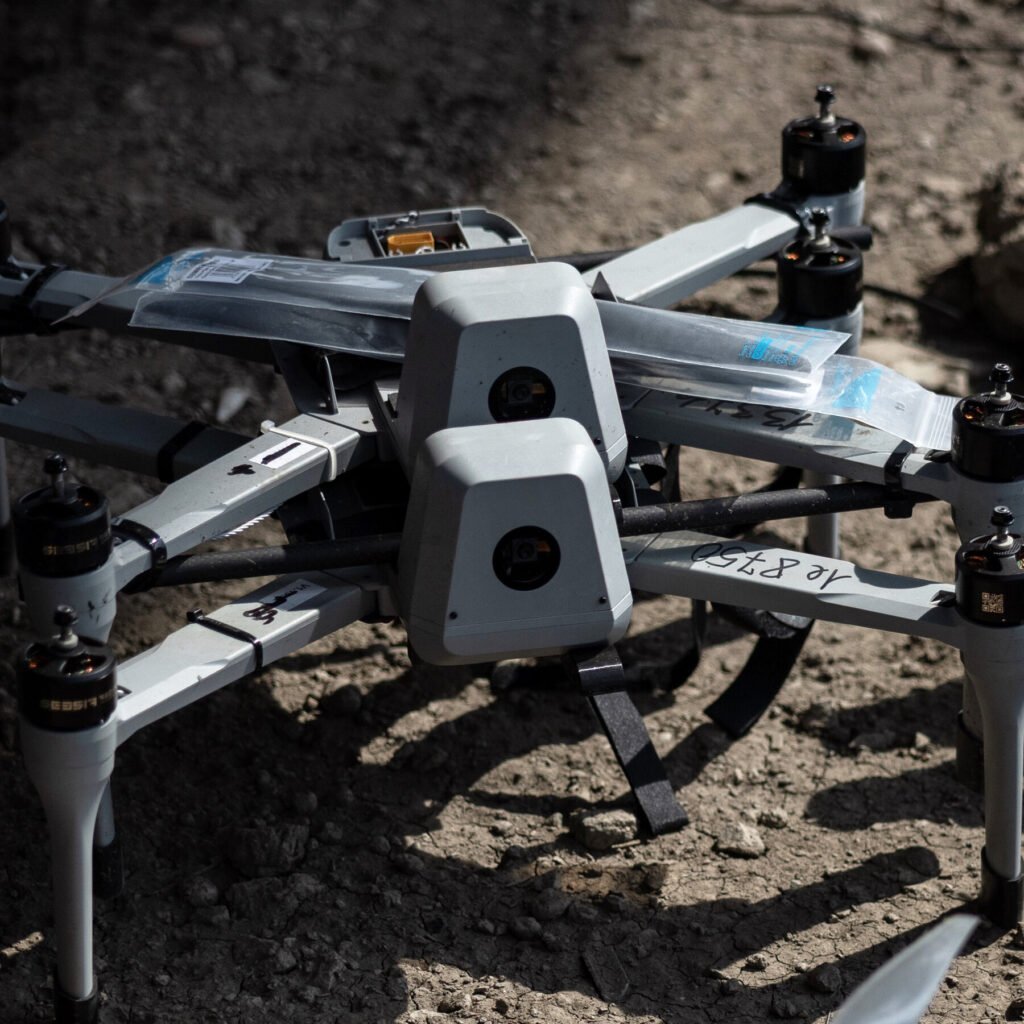
In the ongoing war between Ukraine and Russia, Ukraine has turned to semiautonomous AI drones to counter sophisticated Russian defenses. These drones operate with a degree of independence, making decisions on targeting to support Ukrainian forces more efficiently. While this technology represents a leap forward in military automation, it raises ethical questions about the role of AI in lethal operations. For more details, check out the NYT article on Ukraine’s AI drones.
2. Robots Competing to Save Lives on Battlefields
Beyond drones, AI-powered robots are making strides in medical emergencies on the battlefield. DARPA’s recent challenge involved teams of robots tasked with locating victims in simulated mass-casualty events and evaluating their injuries. These triage robots assist human medics by prioritizing care, potentially saving more lives under chaotic conditions. This marks a significant step in applying AI for humanitarian purposes during conflicts. Learn more from IEEE Spectrum’s coverage.
3. AI’s Transition from Novelty to Necessity
In 2025, artificial intelligence became less about flashy demos and more about practical, everyday applications. People increasingly rely on AI tools for work, from AI-powered search engines to chatbots providing customer support. The focus shifted to understanding what truly works, the limitations of current systems, and the environmental impact of scaling these technologies. For a broader view of AI’s evolving role, the top AI stories of 2025 from IEEE Spectrum provide excellent insights.
4. Keeping Your Data Safe During U.S. Border Phone Searches
With AI and digital surveillance technologies advancing, customs agents at U.S. borders have broad authority to search travelers’ electronic devices. This raises concerns about privacy and data security. Travelers are advised to understand their rights and take precautions such as minimizing data on devices or using encrypted backups. For practical tips, see the New York Times guide on border phone searches.
5. Alexa Reigns Supreme in Smart Home Automation
While many smart assistants compete for market share, Amazon’s Alexa continues to outpace rivals like Google Assistant and Apple’s Siri in home automation. Alexa’s extensive device compatibility, robust skill ecosystem, and natural language understanding make it a favorite for controlling smart homes. If you’re exploring home automation, Alexa remains a reliable choice. Read why on MakeUseOf’s Alexa feature.
6. The Need for Smarter Chargers in 2025
Tech enthusiasts with flagship phones should look out for chargers featuring Adjustable Voltage Supply or Programmable Power Supply. These technologies enable faster and safer charging by tailoring power delivery to the device’s needs, extending battery life and reducing heat generation. This small but significant innovation ensures your devices stay powered efficiently. Explore this topic further at MakeUseOf’s charger guide.
Quick Hits: Other Noteworthy Developments
- Open-Source Maps Gain Traction: A new community-driven navigation app is challenging Google Maps by offering transparency and collaborative updates. Details here.
- Magic Links: Secure but Frustrating: While secure, magic link sign-ins annoy many users due to their inconvenience. User perspectives here.
- 2025 Sci-Fi Hits: The year delivered memorable sci-fi movies featuring aliens and robots, reflecting humanity’s fascination with AI and technology. Recommended viewing.
Trend Analysis: What 2025 Tells Us About AI’s Future
2025 represents a year of maturation for AI and automation. The technology is no longer confined to labs or entertainment but is increasingly integrated into critical areas like national security, healthcare, and everyday consumer tech. However, this growing presence also highlights challenges: ethical dilemmas around autonomous weapons, privacy concerns at national borders, and the environmental footprint of large AI systems. Users and developers alike must balance innovation with responsibility.
Moreover, the shift toward practical AI applications—whether through smarter home assistants or faster charging devices—demonstrates how AI is becoming a utility rather than a novelty. This trend is likely to continue as AI systems become more embedded, reliable, and user-friendly.
Conclusion
From semiautonomous drones in war zones to the smart devices in our homes, AI and robotics are reshaping how we live, work, and even fight. As these technologies advance, they bring tremendous benefits but also significant questions about ethics, privacy, and sustainability. How can we harness AI’s power responsibly while ensuring it serves humanity’s best interests? The conversation is just beginning—are you ready to be part of it?
Leave a Reply