


Introduction
The technology landscape in 2025 is evolving at an unprecedented pace, driven by innovations in artificial intelligence, immersive metaverse experiences, and transformative startups. From the resurgence of iconic NFT communities in virtual worlds to the launch of advanced brain-computer interfaces and enterprise AI tools, this year is shaping up to be a pivotal moment for tech enthusiasts, creators, and businesses alike. In this roundup, we dive into the most compelling stories shaping AI, automation, and creative technology today.
Bored Ape Yacht Club Returns as a Metaverse Powerhouse
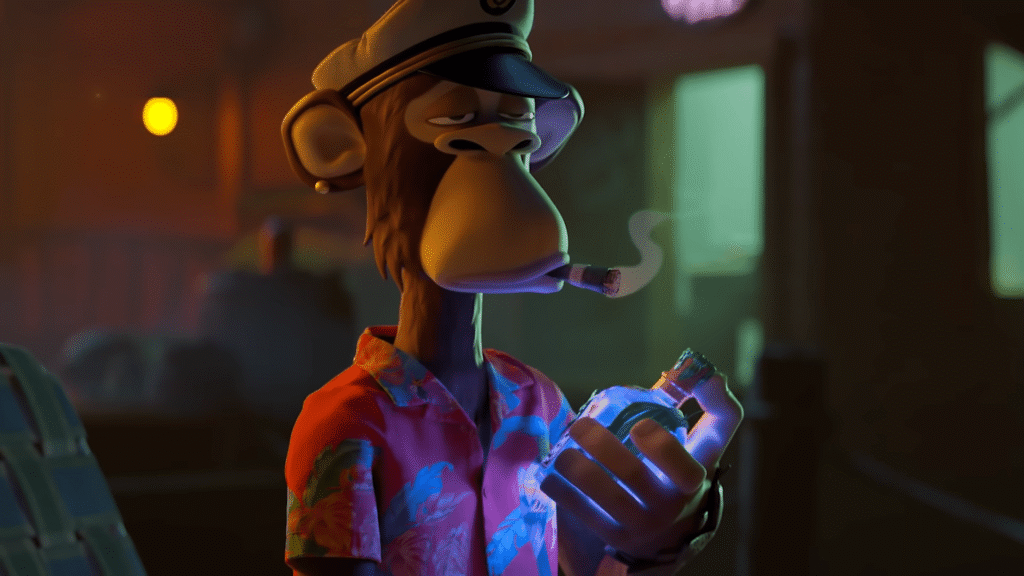
The Bored Ape Yacht Club (BAYC), once a headline-grabbing NFT project, is making a significant comeback—not just as digital collectibles, but as an immersive metaverse experience called Otherside by Yuga Labs. Picture wandering through a sprawling virtual swamp, soundtracked by pulsating bass and scattered with other players. This early glimpse reveals a world that prioritizes atmosphere and player interaction over flashy visuals alone. BAYC’s pivot into a metaverse underlines the growing trend of NFT projects evolving into full-fledged virtual ecosystems, blending social spaces, gaming, and digital ownership.
Sam Altman’s Merge Labs: Using Sound Waves to Read the Brain
In a bold move, Sam Altman, CEO of OpenAI, has co-founded Merge Labs, a startup aiming to revolutionize brain-computer interfaces (BCI) through sound wave technology. According to The Verge, the company has brought onboard biomolecular engineer Mikhail Shapiro to help develop non-invasive methods to “read” brain activity. This could open new frontiers in how humans interact with machines, potentially removing physical input devices altogether. If successful, Merge Labs might spearhead a future where AI and human cognition merge seamlessly.
OpenAI’s Company Knowledge in ChatGPT: Enterprise AI Gets Smarter
OpenAI continues to push the envelope with its latest product launch: “company knowledge” in ChatGPT, which integrates enterprise data from Google Drive, Slack, GitHub, and more directly into AI conversations. As reported by VentureBeat, this feature allows businesses to use ChatGPT as an intelligent search engine for internal knowledge, streamlining workflows and reducing time spent digging through documents. This development marks a significant step in embedding AI deeply into workplace productivity.
Turbo AI: College Dropouts Build an AI Note-Taker with Millions of Users
Rudy Arora and Sarthak Dhawan, two 20-year-old college dropouts, have built Turbo AI, an AI-powered note-taking app that has already amassed five million users and an eight-figure annual recurring revenue. TechCrunch highlights their success story as a testament to how young entrepreneurs are leveraging AI to disrupt traditional productivity tools. Their app’s rapid growth underscores the demand for AI that understands and organizes human input efficiently.
Mistral AI Studio: Europe’s Answer to Rapid AI Development
French AI startup Mistral has launched Mistral AI Studio, a web-based environment designed to allow enterprises to quickly develop, monitor, and deploy AI applications using a mix of proprietary and open-source models. This move, covered by VentureBeat, reflects a broader industry trend: AI “studio” platforms are becoming essential tools for democratizing AI development and accelerating adoption across sectors. Mistral’s focus on European open-source models also signals growing efforts to balance innovation with data sovereignty and regulatory compliance.
Thinking Machines Challenges AI Scaling Orthodoxy
While many AI giants invest billions in building ever-larger models, the startup Thinking Machines offers a contrarian view: the future of artificial general intelligence (AGI) lies not in scale but in superior learning mechanisms. Rafael Rafai, a key researcher, argues that “the first superintelligence will be a superhuman learner,” emphasizing quality over quantity in training AI. This perspective, reported by VentureBeat, could shift the industry’s approach toward more efficient and adaptive AI systems.
Quick Hits
- Wordle Adds Achievements: The New York Times now rewards players with badges for milestones in Wordle, Spelling Bee, and Connections, adding gamification to these popular word games. (The Verge)
- Apple vs. Jon Prosser: Apple confirms that leaker Jon Prosser has not yet responded to a trade secrets lawsuit, despite his claims of ongoing communications. (The Verge)
- Top Gaming Laptops of 2025: A roundup of the best gaming laptops highlights a range from powerful, bulky machines to sleek, portable designs fit for various gamer preferences. (The Verge)
- Ant Group’s Ring-1T Model: China’s Ant Group releases Ring-1T, a trillion-parameter open-source reasoning model aimed at competing with GPT-5 and Google’s Gemini 2.5, intensifying the AI geopolitical race. (VentureBeat)
Trend Analysis: AI Beyond Scale — Towards Integration and Learning
The stories of 2025 reveal an industry moving beyond the simple race for bigger AI models. While scale remains important, we see a parallel emphasis on smarter learning algorithms, better integration into daily workflows, and novel interfaces that bridge human and machine cognition. The rise of platforms like Mistral AI Studio and OpenAI’s enterprise ChatGPT tools highlights a shift towards making AI accessible, customizable, and deeply embedded in organizational processes.
Moreover, innovations in brain-computer interfaces and immersive metaverse environments indicate a future where digital and physical realities merge more seamlessly. These advances promise new forms of creativity, productivity, and social interaction, but they also raise questions about privacy, data sovereignty, and the ethical use of AI technologies.
Conclusion: What Lies Ahead for AI and Creative Tech?
From the resurgence of BAYC’s metaverse to the pioneering work in brain-computer interfaces and enterprise AI, 2025 is shaping up to be a year of profound transformation. As AI becomes smarter and more integrated, will we see new forms of creativity and collaboration emerge? How will companies balance innovation with responsibility in this rapidly changing landscape? And importantly, how will these technologies reshape our understanding of human potential?
Only time will tell, but one thing is clear: the future of AI and creative technology is not just bigger—it’s smarter, more connected, and more human than ever before.
Leave a Reply