


Introduction
The tech landscape is constantly evolving, blending the worlds of artificial intelligence, creative innovation, and legal complexity. Recent developments—from Adobe’s adaptation to Apple’s latest hardware to the rising legal debates surrounding AI and facial recognition—highlight the rapid pace and broad impact of technology today. In this comprehensive update, we dive into key stories shaping the future of AI and creative tech, while reflecting on past cultural phenomena and emerging gadget trends.
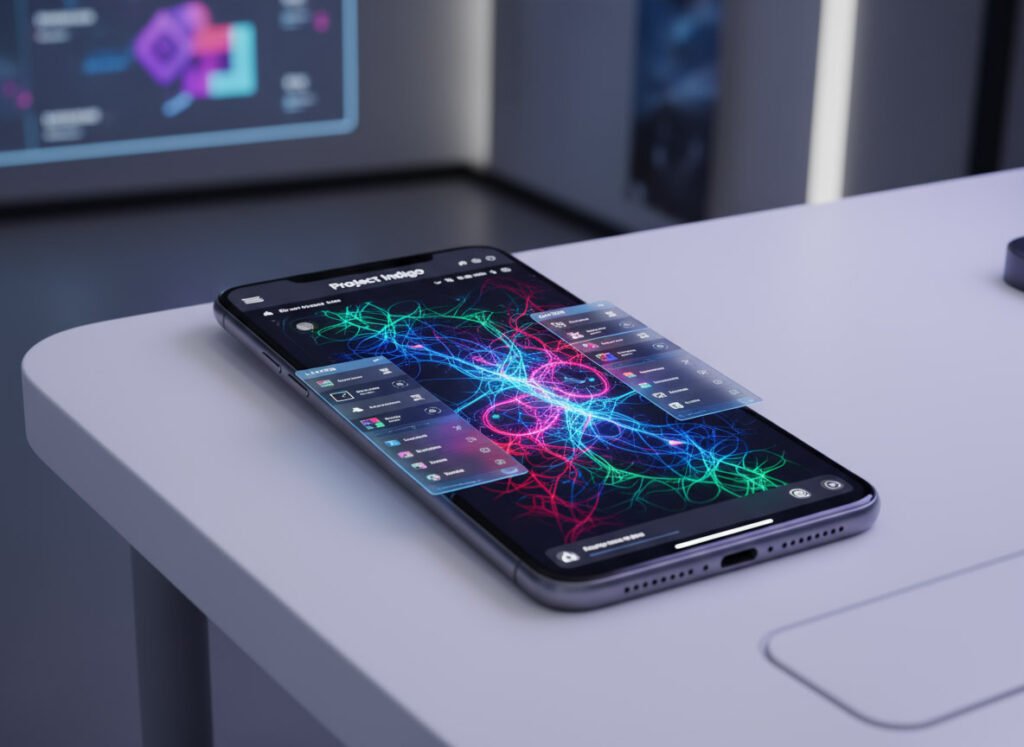
Adobe’s Project Indigo Finally Supports iPhone 17
Adobe’s computational photography app, Project Indigo, encountered a hiccup when Apple introduced the iPhone 17 series with its new square-format selfie sensor. For weeks, users of Apple’s latest phones found themselves unable to harness Project Indigo’s powerful features, a frustrating delay given the app’s reputation for enhancing mobile photography with AI-driven computational algorithms.
Adobe’s engineers worked diligently behind the scenes, releasing updates that gradually restored full functionality. This episode underscores the challenges software developers face in keeping pace with rapid hardware innovations, especially when AI-enhanced apps must recalibrate for new sensor technologies and image formats. It also highlights the growing importance of computational photography in everyday creativity, where AI is increasingly a silent partner in capturing and refining images.
Legal Frontiers: Your Face and AI
As AI-powered facial recognition technologies proliferate, so too do legal and ethical dilemmas. Recent coverage delves into the murky intersection of biometric data and AI-generated content, raising questions about privacy, consent, and ownership. Cases like the one involving the song “Heart on My Sleeve” reveal how AI can replicate human likenesses and voices, sparking lawsuits and regulatory scrutiny.
This evolving legal landscape is a crucial frontier for AI governance. As faces become digital assets manipulated by algorithms, lawmakers and technologists must collaborate to create frameworks that protect individuals’ rights without stifling innovation. It’s a complex balancing act that will define the boundaries of AI’s creative and commercial use in the coming years.
Remembering the Impact of Guitar Hero on Creativity
Before AI and digital assistants dominated the conversation, cultural moments like the release of Guitar Hero transformed how people engaged with music and creativity. The game’s plastic guitar controllers brought the thrill of rock stardom into living rooms worldwide, democratizing musical expression and inspiring countless players to connect with iconic songs.
Guitar Hero’s legacy is a reminder that technology can catalyze creative participation in unexpected ways. Today, AI tools aim to do something similar—lowering the barriers to creative production, whether through music, visual art, or writing. Yet, as we embrace these tools, it’s worth reflecting on how interactivity and play continue to shape creative innovation.
The Brutally Oppressive Power of “I’ve Seen All I Need to See”
In a different creative vein, some albums evoke visceral emotional responses that AI can only attempt to understand. The Verge’s take on the album “I’ve Seen All I Need to See” frames it as one of the few genuinely scary records—lacking the atmospheric spookiness of other works but delivering a brutal, oppressive experience.
This kind of emotional depth and raw human expression remains a frontier that AI-generated art struggles to replicate authentically. It reminds us that while AI can mimic styles and generate content at scale, the human experience—especially in art that channels complex feelings—still holds a unique power.
A Big Update for a Favorite E-Reader
On the hardware front, the Boox Palma 2 Pro e-reader received a significant update, enhancing its usability and integrating new features. This upgrade reflects the ongoing push to blend AI capabilities with traditional devices, improving user interaction and expanding the boundaries of what e-readers can do.
Innovations like these demonstrate how AI and automation are not limited to flashy new gadgets but also enrich everyday technology, making reading, note-taking, and content consumption smarter and more intuitive.
Quick Hits: Other Noteworthy Tech Stories
- AI Music Controversies: Lawsuits around AI-generated music samples continue to raise questions about copyright and creativity.
- Automation in Content Creation: New tools simplify video editing by using AI to analyze and enhance footage automatically.
- Facial Recognition Ethics: Companies face growing pressure to be transparent about biometric data usage.
- Creative AI Tools: Emerging platforms enable artists to co-create with AI, blending human and machine imagination.
Trend Analysis: The Convergence of AI, Creativity, and Legal Challenges
As AI technologies mature, their influence permeates creative fields and everyday gadgets alike. However, this progress is accompanied by complex legal and ethical questions—particularly around data privacy, consent, and intellectual property. The recent Adobe app update highlights the technical challenges of integrating AI with cutting-edge hardware, while the legal debates around facial recognition illustrate societal concerns about surveillance and control.
Simultaneously, creative technology is evolving to engage users more deeply, as seen in the resurgence of interactive entertainment legacies like Guitar Hero and innovative e-reader upgrades. AI is becoming a collaborator in creative expression rather than a mere tool, blurring the lines between human ingenuity and machine assistance.
Looking ahead, the success of AI in creative tech will depend on balancing innovation with respect for human rights and emotional authenticity. Developers, artists, and policymakers must navigate this terrain carefully to harness AI’s potential without sacrificing ethical standards.
Conclusion: Where Do We Go From Here?
We stand at a crossroads where AI’s creative capabilities grow more sophisticated, yet the legal frameworks and societal norms struggle to keep pace. Will AI augment human creativity in ways that deepen cultural expression, or will it commodify and dilute it? How will we protect personal identity in an age where faces and voices can be digitally replicated without consent? And as technology continues to evolve, can we preserve the emotional depth and authenticity that make art truly human?
These questions don’t have easy answers, but they are essential to consider as we embrace the next wave of AI-driven innovation. As always, staying informed and critically engaged will be key to shaping a future where technology empowers rather than diminishes our creative and personal freedoms.
For more in-depth coverage, visit the original sources:
Leave a Reply