


Introduction
As 2025 unfolds, the tech landscape continues to evolve rapidly, fueled by breakthroughs in artificial intelligence, regulatory scrutiny of tech giants, and innovations that promise to reshape everyday life. This roundup from Dimension.House dives into some of the most compelling stories shaping AI, automation, and creative technology today—from Google’s tussle over AI data usage to new tools that allow unprecedented transparency into AI decision-making. We also explore how consumers can benefit from early Black Friday deals on smart home devices and highlight emerging trends that point to the future of AI and tech.
Google Pushes Back on AI Data Use Claims
Google recently found itself at the center of controversy after viral social media posts and articles alleged that Gmail users’ emails and attachments were being used to train AI models without explicit consent. However, a Google spokesperson clarified that these reports are misleading. According to Jenny Thomson, Google’s policy has not fundamentally changed, and the collection of data for AI training is tied to user features like “smart features,” which users can opt out of. This clarifies misconceptions and highlights the growing sensitivity around data privacy in AI development.
For more details, visit The Verge.
Salesforce Introduces Near-Real-Time AI Agent Observability
One of the biggest challenges enterprises face when deploying AI agents is understanding how these agents make decisions in real-time. Salesforce’s new Agentforce Observability tools address this by offering granular visibility into AI agents’ actions and reasoning steps. This breakthrough could reduce risk, improve trustworthiness, and optimize AI-powered customer service. Companies leveraging AI now have a powerful toolkit to monitor, debug, and refine their AI agents effectively.
Learn more at VentureBeat.
Google’s ‘Nested Learning’ Paradigm: A Step Toward AI with Memory
Google researchers unveiled a novel paradigm called “Nested Learning” that aims to solve a critical limitation in current large language models: the inability to learn or update knowledge post-training. By reframing training as a system of nested optimization problems, this approach promises better in-context learning and memory retention. If successful, it could mark a significant milestone toward AI systems that evolve continuously and adapt more fluidly to new information.
Read the full story on VentureBeat.
OpenAI to Retire GPT-4o API Access in Early 2026
OpenAI has announced it will retire API access to its popular GPT-4o model by mid-February 2026, giving developers a three-month transition window. This move affects only the API platform; GPT-4o will remain available within ChatGPT for individual users. This decision signals OpenAI’s ongoing model lifecycle management and emphasizes the importance for developers to prepare for future model migrations and upgrades.
More info at VentureBeat.
Early Black Friday Deals: Save Big on Robot Vacuums
As the holiday season approaches, smart home automation is becoming more accessible with steep discounts on robot vacuums from brands like Roborock and Eufy. With savings up to $1,300, these devices offer an easy way to reduce the stress of holiday cleaning. Early deals provide a chance to upgrade home automation without waiting for the official Black Friday rush.
Check out the deals on The Verge.
Microsoft Expands Xbox Full Screen Experience to All PCs
Adding a console-like user interface to the gaming experience, Microsoft has extended its Xbox Full Screen Experience (FSE) to all PCs, laptops, and tablets. Previously limited to handhelds, this update allows gamers to navigate their libraries more seamlessly using controllers on a wider range of devices, blurring the lines between console and PC gaming.
Learn more at The Verge.
Spotting AI-Generated Writing: Wikipedia’s Guide
As AI-generated content becomes more prevalent, distinguishing human from AI writing is increasingly vital. Wikipedia has compiled a well-rounded guide highlighting “Signs of AI writing,” offering readers and content creators practical insights to identify large language model (LLM) prose. This resource is a valuable tool for educators, journalists, and anyone navigating the blurred lines of AI-authored text.
Explore the guide via TechCrunch.
Quick Hits
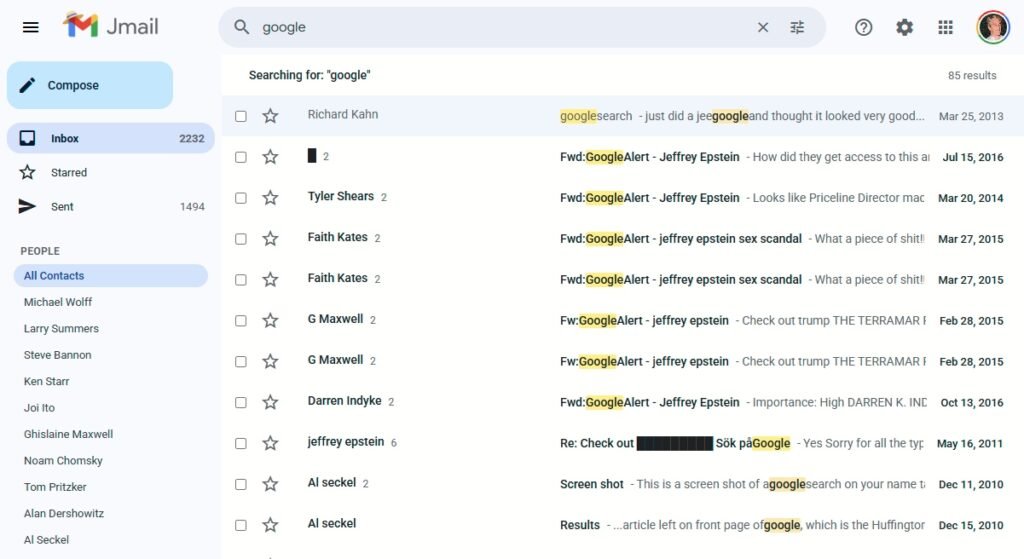
- Epstein’s Email Inbox Goes Public: A digital archive named “Jmail” reformats over 20,000 pages of Jeffrey Epstein’s emails, stirring renewed investigative interest in his network, including figures like Larry Summers. (The Verge)
- Judge Targets Google’s Ad Tech Monopoly: A key ruling on whether Google should be broken up due to its ad tech dominance is expected next year amid mounting regulatory pressure. (The Verge)
- Elon Musk’s xAI Grok 4.1 Fast Launch: Despite technical advances and new API tools, Musk’s AI model has been met with social media ridicule for its odd responses praising Musk’s athleticism. (VentureBeat)
Trend Analysis: AI Transparency and Ethical Accountability
The stories of 2025 underscore a growing emphasis on transparency and accountability in AI and tech. From Salesforce’s real-time AI decision monitoring to Google’s efforts to clarify data usage policies, companies are responding to rising demands for ethical AI deployment. Meanwhile, advancements like Nested Learning signal a future where AI systems become more adaptive and context-aware, but also more complex to audit. This dual trend—of innovation alongside scrutiny—shapes the evolving landscape where user trust and regulatory compliance are as critical as technical prowess.
Conclusion: Navigating the Future of AI and Tech
As AI models grow smarter and automation technologies integrate deeper into our lives, the challenges around privacy, transparency, and ethical use will only intensify. How will developers, regulators, and consumers strike the right balance between innovation and responsibility? And how will these dynamics influence the next wave of tech breakthroughs? As we move forward, maintaining an informed dialogue on these issues will be crucial to harnessing technology’s full potential while safeguarding societal values.
What measures do you think are most important to ensure AI’s ethical evolution as it becomes more embedded in daily life?
Leave a Reply