


Introduction
As we move deeper into 2024, technology continues to evolve at a breakneck pace, touching every facet of our lives from photography and drones to artificial intelligence and electric vehicles. This year has brought a mix of breakthroughs, unexpected setbacks, and emerging trends that highlight the complex landscape of modern tech innovation. In this post, we compare and analyze recent developments across various domains to provide a clearer picture of where we stand and where we might be headed.
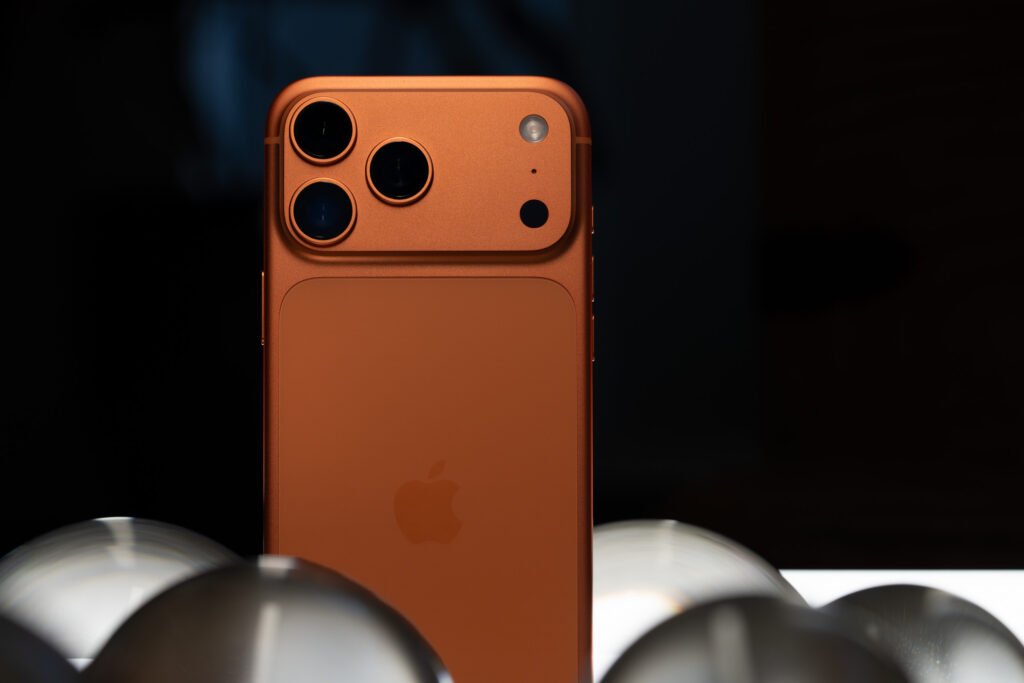
Apple’s iPhone 17 Pro Removes Night Mode Portrait: A Step Back in Photography?
Apple’s latest iPhone 17 Pro and Pro Max have dropped the popular Night mode option in Portrait photography, a feature widely appreciated for low-light depth-of-field shots. This removal contrasts sharply with older models that allowed users to capture artistic, illuminated portraits even in challenging lighting. The decision has sparked debate among photography enthusiasts who see it as a regression rather than an innovation. While Apple often refines its camera software to optimize performance, this change restricts creative flexibility, showing that even flagship devices can sometimes limit user options in the name of streamlining.
Read more on The Verge.
Antigravity’s 360-Degree Drone Challenges DJI’s Dominance
With DJI drones facing import bans and supply shortages in the US, Antigravity’s new A1 drone emerges as a timely competitor. Though not radically innovative, the Antigravity 360 offers a practical alternative that consumers can actually purchase domestically, filling a critical market gap. The A1’s 360-degree capture capability is particularly notable for content creators wanting immersive footage without DJI’s logistical hurdles. This situation underscores how regulatory and geopolitical factors can pivot market dynamics, making room for new players to disrupt established leaders by focusing on availability and reliability rather than pure innovation.
More details at The Verge.
BMW’s iX3 and the Neue Klasse EV Platform: Innovation in Automotive Tech
BMW’s iX3 electric vehicle introduces the Neue Klasse platform, a next-generation EV architecture promising enhanced safety, performance, and user experience. Despite initial hype fatigue, the car delivers with dashboard-filling displays and a comprehensive active safety suite. This represents a broader trend in automotive tech, where manufacturers are not only electrifying their lineups but also integrating advanced software and AI-driven safety features. BMW’s approach reflects a holistic innovation strategy, blending hardware and software improvements to redefine what consumers expect from electric vehicles.
Full review available at The Verge.
Gemini 3 Pro Raises the Bar for AI Trust and Real-World Performance
Google’s Gemini 3 Pro AI model recently scored an impressive 69% trust rating in vendor-neutral testing, a significant improvement over its predecessor’s 16%. Unlike typical academic benchmarks, the evaluation focused on real-world trust metrics valued by users and organizations. This shift towards practical, user-centric AI evaluation highlights an important trend in the industry: moving beyond theoretical performance to prioritize reliability, safety, and transparency. As AI becomes more embedded in daily life, trustworthiness will be a key differentiator for adoption and success.
Learn more from VentureBeat.
Challenges in Space Imaging: Satellites Photobombing Hubble
The surge in satellite launches has created an unexpected problem for astronomers. The Hubble telescope and others are seeing up to 40-96% of their images marred by satellite trails, jeopardizing pristine space photography. This issue highlights the unintended consequences of expanding commercial satellite networks and raises questions about balancing technological progress with preserving scientific research quality. It also suggests a need for innovative solutions in both satellite design and telescope operation to mitigate light pollution from orbit.
Read the full report at The Verge.
Quick Hits: Other Noteworthy Developments
- AI Image Detection Tools: As AI-generated images flood the internet, tools and tips to spot fakes become essential. Free detectors and key visual cues help combat misinformation (ZDNet).
- Linux Apps for Students: A curated list of essential Linux software, including local AI tools, offers students powerful productivity and learning aids without relying on cloud services (ZDNet).
- Liquid-Cooled Android Phones: The Redmagic 11 Pro’s liquid cooling technology delivers snappy performance and efficiency, setting a new standard for mobile gaming and challenging conventional thermal management (ZDNet).
Trend Analysis: Balancing Innovation, Trust, and Accessibility
The stories above reveal several intersecting trends shaping the tech landscape in 2024. First, trust and real-world applicability are becoming critical in AI development, as seen with Google’s Gemini 3 Pro. This reflects a maturing industry where hype is giving way to practical utility and ethical considerations.
Second, supply chain and geopolitical challenges open doors for alternatives like Antigravity drones, emphasizing the importance of market accessibility alongside technological advancement. Similarly, Apple’s choice to remove a beloved camera feature signals that innovation sometimes requires trade-offs, which can alienate segments of users wanting more creative control.
Third, the expanding footprint of technology — whether satellites or electric vehicles — brings new challenges in environmental impact and sustainability, demanding innovative solutions that balance progress with preservation.
Overall, 2024’s tech innovation is not just about pushing boundaries but managing complexity, trust, and user experience in equal measure.
Conclusion
From AI trust scores to drone market shifts, and from smartphone camera features to challenges in space imaging, the pace and complexity of technology in 2024 is both exhilarating and sobering. As users and creators, we are increasingly confronted with trade-offs between innovation, trust, accessibility, and unintended consequences.
What do you think is more important for the future of technology: pushing the envelope with new features or ensuring existing tools are trustworthy and accessible? Share your thoughts as we navigate this evolving landscape together.
Leave a Reply