


Introduction
In the ever-evolving world of technology, 2025 continues to surprise us with bold experiments, unexpected pivots, and new frontiers at the intersection of AI, creativity, and automation. This post dives into some of the most intriguing recent developments—from Amazon’s infamous Fire Phone to the state of AI energy consumption, from innovative smart home integrations to the creative ways artists and brands are redefining their craft. Join us as we unpack these stories, drawing insights that matter for tech enthusiasts, creators, and futurists alike.
The Fire Phone: When Big Ideas Go Wrong
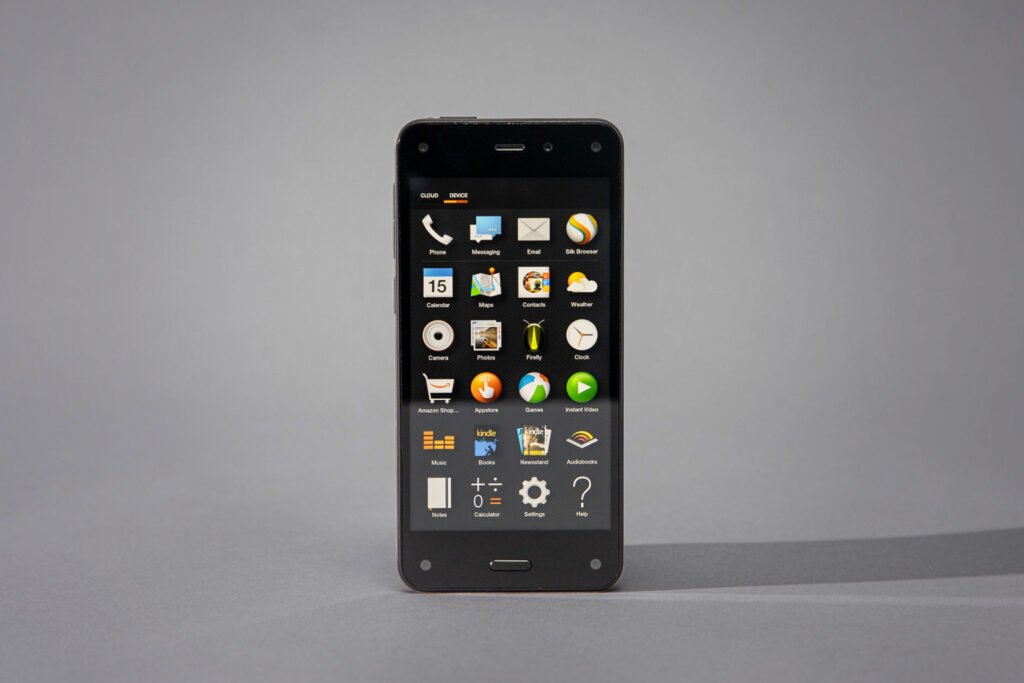
Back in 2014, Jeff Bezos boldly launched the Amazon Fire Phone, a device packed with ambitious features like Dynamic Perspective and Firefly, designed to revolutionize mobile interaction. Yet, as The Verge’s deep dive reveals, these big ideas mostly missed the mark, creating a confusing user experience rather than a breakthrough. The Fire Phone serves as a cautionary tale about innovation without sufficient user-centered design and market timing. Its dense feature set overwhelmed users and failed to compete with established giants, reminding us that even tech titans can stumble if they lose sight of core usability.
65daysofstatic and No Man’s Sky: Music, AI, and Humanity
Music and gaming continue to intertwine in fascinating ways. The band 65daysofstatic returned to score the beloved game No Man’s Sky nine years after its original release, exploring themes of humanity in an AI-saturated universe. According to The Verge, the album reflects a broader cultural dialogue about technology’s role in creativity and identity. This project highlights how generative AI and human artistry are increasingly collaborating rather than competing, a trend that’s reshaping creative industries.
Ikea’s Smart Home Takeover
Ikea is no longer just about furniture—it’s now a major player in home automation. Their expanding range of smart home products integrates effortlessly into consumers’ lives, making connected living more accessible and affordable. As reported in The Verge, Ikea’s user-friendly approach is lowering barriers for smart home adoption, emphasizing simplicity and design. This democratization could accelerate smart home trends, pushing other companies to innovate in seamless integration and sustainability.
Energy: The Hidden Cost of AI Progress
Behind the dazzling advances in generative AI lies an energy race with global implications. A recent MIT Technology Review and Financial Times collaboration highlights that while AI models grow more powerful, their energy demands are skyrocketing—posing ecological and geopolitical challenges. The U.S. is reportedly falling behind other nations in this critical area, underscoring the urgent need for sustainable AI infrastructure. This energy battle will shape not only technological leadership but also ethical stewardship in AI’s future.
The Algorithm’s Impact on Music Discovery
Music recommendation algorithms have transformed how we find new songs, but not always for the better. As The Verge’s analysis points out, algorithms often prioritize safe, commercial hits over genuine discovery, potentially stifling creativity. This “algorithmic failure” invites listeners and platforms to rethink how AI can enhance rather than hinder musical exploration. It also signals an opportunity for emerging AI tools designed to support diverse and niche artists.
Creative Tech and Artistic Journeys
On the creative front, artists continue to adapt in surprising ways. A recent Creative Bloq feature spotlights eight artists reflecting on unexpected career shifts and opportunities, highlighting adaptability as a key skill in the AI era. Additionally, practical guides like creating Islamic-inspired patterns or choosing budget-friendly Android drawing tablets empower creatives to experiment and grow with new tools and techniques.
Quick Hits: Holiday Tech and Design
- Hallmark’s Xbox 360 replica ornament with Halo 3 audio snippet offers nostalgic tech flair for your 2025 tree, blending retro gaming and holiday tradition (source).
- A harsh critique of Coca-Cola’s latest Christmas ad reveals how even major brands struggle to balance “real magic” with artificial marketing tactics (source).
- Affordable drawing tablets from brands like Wacom and Samsung continue to empower artists on a budget, democratizing digital creativity (source).
Trend Analysis: The Convergence of AI, Energy, and Creative Tech
What ties these stories together is a broader trend of convergence. AI is no longer siloed in research labs; it’s embedded in music, home automation, and creative workflows. However, this integration brings challenges—particularly in energy consumption and ethical algorithm design. Meanwhile, companies like Ikea show how smart technology can be seamlessly woven into everyday life, making innovation tangible for consumers. Creatives adapt by blending traditional skills with AI tools, signaling a hybrid future of human-machine collaboration.
As AI capabilities grow, the pressure mounts to balance innovation with sustainability and user empowerment. The failures and successes of past tech ventures, like Amazon’s Fire Phone, remind us that innovation requires more than ideas—it demands foresight into usability, market needs, and long-term impact.
Conclusion: What Does the Future Hold?
From the rise and fall of ambitious gadgets to the subtle ways AI reshapes creativity and energy consumption, 2025 is a pivotal year for technology’s role in society. How will we ensure that AI-driven innovations serve humanity sustainably and inclusively? As smart homes become smarter and creative tools more powerful, will users remain in control, or will algorithms increasingly dictate our choices? The answers lie in the conversations we have today about design, ethics, and responsibility in tech’s next chapter.
What’s your take? How can we harness AI and automation to enrich human creativity without compromising our planet or autonomy?


Leave a Reply