


Introduction
From AI-powered dating surveillance tools to autonomous vehicles braving snowy streets, the tech landscape is rapidly evolving with new breakthroughs and challenges. In this roundup, we dive into some of the most compelling stories shaping AI, automation, creative technology, and digital culture today. Whether it’s the ethical dilemmas behind “catch a cheater” apps or the growing influence of virtual influencers on social media, these developments highlight the complex intersection of innovation, privacy, and user experience.
“Catch a Cheater” Apps Exploit Privacy Concerns
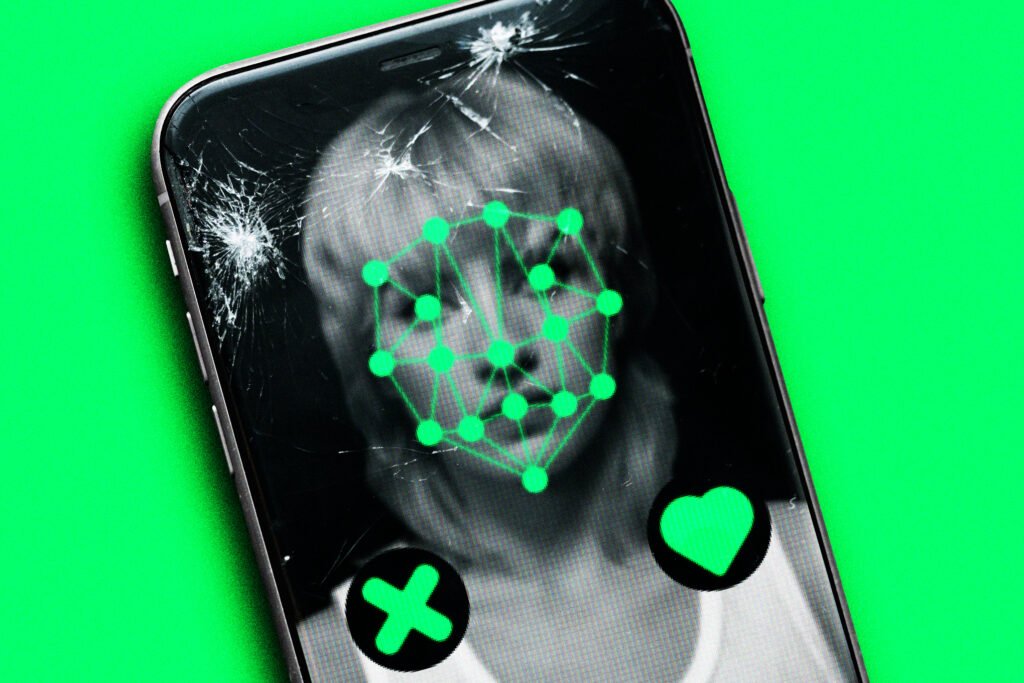
Apps like Cheaterbuster and CheatEye promise to expose unfaithful partners by using facial recognition technology to search dating profiles. However, these services raise alarming concerns over privacy and consent. Users on platforms like Tinder typically do not expect their personal data and images to be searchable by third parties—especially by potentially hostile actors. As The Verge reports, this trend exploits our worst human tendencies, blurring the line between legitimate accountability and invasive surveillance.
Waymo’s Robotaxis Face the Winter Test
Waymo is preparing its autonomous vehicles for the harsh realities of winter weather. Snow and ice introduce complex variables that challenge sensor accuracy, vehicle control, and safety. During a recent company-wide meeting, Waymo’s chief winter weather expert emphasized the importance of mastering these conditions to expand robotaxi services to new markets. As The Verge outlines, the ability to operate safely in snow is a critical milestone for Waymo’s future growth.
Bored Ape Yacht Club Reimagines the Metaverse
The iconic Bored Ape Yacht Club (BAYC) is staging a comeback, moving beyond NFTs into immersive metaverse experiences. Users can explore virtual environments like sprawling swamps accompanied by ambient sounds and interactive elements. This transition from static collectibles to dynamic social spaces signals a maturation of crypto-based projects into full-fledged digital worlds, as detailed in The Verge’s coverage.
Sam Altman’s Brain-Computer Interface Startup
Sam Altman is launching Merge Labs, a startup focused on using sound waves to noninvasively read brain activity. By recruiting top biomolecular engineer Mikhail Shapiro, the company aims to advance brain-computer interfaces (BCIs) that could revolutionize how humans interact with technology, enabling thought-controlled devices and potentially transforming fields from healthcare to communication. This initiative reflects a growing trend of integrating AI with neuroscience, described in detail by The Verge.
Apple’s Legal Battle with Jon Prosser
Apple’s ongoing lawsuit against tech leaker Jon Prosser over alleged trade secret theft remains unresolved, with Prosser maintaining active communication with the company, while Apple claims no clear indication of response timing. This case highlights the tensions between corporate secrecy and public information in the tech industry, covered extensively by The Verge.
Quick Hits
- Amazon Outage: A single DNS manager failure in one region caused a massive 16-hour outage affecting millions, underscoring the risks of single points of failure in cloud infrastructure. (Ars Technica)
- Virtual Influencers Boom: Brands are hiring virtual influencers at five times the previous rate, signaling the rise of AI-generated personalities in marketing. (Later)
- Instagram Story Strategies: Experts recommend brands post at least two Stories daily, with some advocating up to seven, to maximize engagement on the platform. (Sprout Social)
Trend Analysis: The Convergence of AI, Privacy, and Immersive Experiences
The stories highlighted illustrate key trends in today’s tech ecosystem. Firstly, AI’s dual role as both an enabler and disruptor is evident. “Catch a cheater” apps demonstrate how AI-powered facial recognition can be weaponized against privacy norms, raising ethical questions about data use and consent. On the flip side, AI-driven virtual influencers and brain-computer interfaces showcase the creative and transformative potential of these technologies.
Secondly, the push for resilient automation—seen in Waymo’s winter weather preparations and Amazon’s outage—reveals how critical infrastructure must evolve to handle real-world complexities and prevent failures that cascade globally. This resilience is a cornerstone for broader adoption of autonomous systems and cloud technologies.
Finally, the emergence of immersive metaverse environments tied to culturally significant crypto projects like BAYC points to a future where digital identity, community, and commerce increasingly blend, powered by blockchain and AI innovations. The ecosystem is no longer just about owning digital assets but living within them.
Conclusion: Navigating the Future of Tech Innovation
As AI, automation, and creative technologies become more deeply integrated into our lives, we face profound questions: How do we balance innovation with privacy and ethics? What safeguards are necessary to prevent technological failures from causing widespread disruption? And how will emerging interfaces like BCIs reshape our relationship with machines and each other? The answers will shape not only the future of technology but the fabric of society itself.
What role should developers, policymakers, and users play in steering these innovations toward responsible and equitable outcomes?
Leave a Reply