


Introduction
2025 has proven to be a pivotal year for technology, marked by exciting breakthroughs and bold experiments across AI, hardware, and creative industries. From the relentless adoption of generative AI in Hollywood to the rise of innovative form factors like Lenovo’s rollable laptop, the tech landscape is evolving faster than ever. This analysis unpacks the most significant stories recently dominating headlines, exploring the technical nuances behind the trends and what they mean for consumers and creators alike.
Google’s Gemini AI Campaign: A Touch of Humanization in Marketing
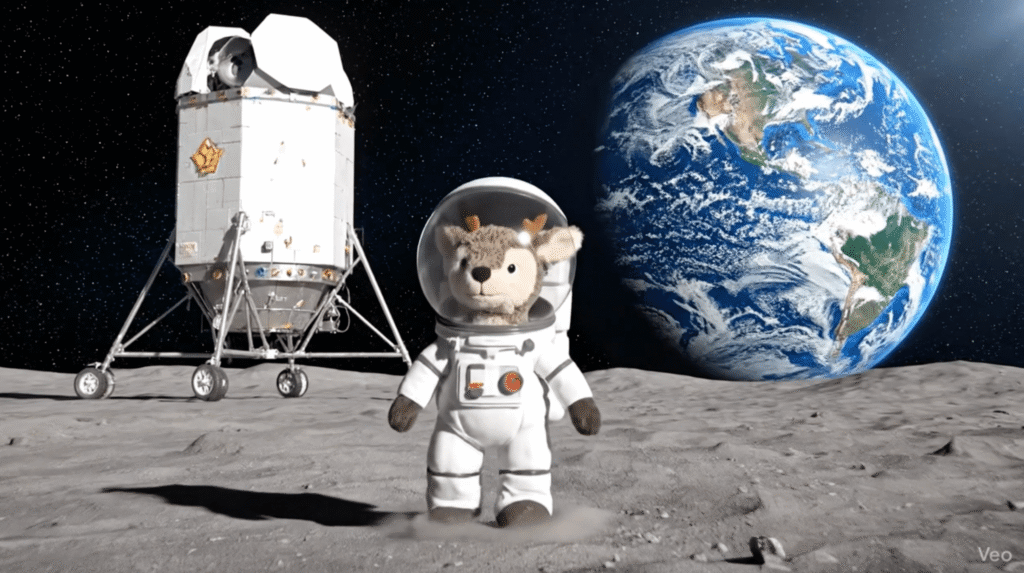
Google’s Gemini AI initiative took a charmingly personal approach this year with an ad featuring a child’s stuffed animal “Buddy,” which resonated with many parents and families. The story behind the ad, as reported by The Verge, reveals the emotional connection people build with AI-themed narratives when grounded in everyday human experiences. Technically, Gemini represents Google’s latest AI model designed to blend conversational fluency with contextual understanding, a leap from previous iterations focused primarily on task-specific functions.
This campaign underscores a growing trend: AI companies aiming to humanize their products not just through capabilities, but through storytelling that evokes empathy and trust. Gemini’s architecture melds large language models with multimodal inputs, enabling it to understand and generate responses informed by text, images, and context—a technical foundation that allows Google to position Gemini as a truly next-gen assistant.
AI’s Expanding Role in Hollywood: A Double-Edged Sword
While AI’s foothold in Hollywood isn’t new, 2025 marked a year when generative AI technologies surged into mainstream film and TV production. From de-aging actors digitally to automating green screen compositing, AI tools have streamlined workflows considerably. However, as The Verge points out, the results have been mixed at best, with many productions failing to deliver on the promise of AI-enhanced creativity.
Technically, these AI applications rely heavily on generative adversarial networks (GANs) and diffusion models to reconstruct or enhance visual content. Despite the powerful underlying tech, ethical concerns and quality control issues have slowed adoption. Hollywood’s AI story is a cautionary tale of technology outpacing practical implementation—raising questions about authenticity, artistry, and labor in creative industries.
Lenovo’s ThinkBook Plus Gen 6: The Future of Laptop Displays
Lenovo made waves with its $3,000 ThinkBook Plus Gen 6 featuring a rollable 120Hz OLED screen, as detailed in this ZDNet review. This device challenges the conventional laptop form factor by offering a dynamically extendable display that adapts to user needs—ideal for multitasking and immersive content consumption.
From a technical perspective, the rollable OLED employs flexible display technology that integrates an ultra-thin, bendable organic light-emitting diode panel with advanced tensile materials. This allows the screen to expand smoothly without damaging pixels or losing refresh rate quality. The 120Hz refresh rate ensures fluid visuals, critical for both productivity and entertainment. This innovation could herald a new era where portable computing devices become more versatile and space-efficient.
Quick Hits: Powerful Gadgets and Software Tweaks
- Anker’s Laptop Power Bank: Currently on sale for $87.99, this device offers high-capacity charging for laptops and even Xbox Series X consoles, featuring fast USB-C Power Delivery that supports up to 100W output. (The Verge)
- Sony’s PlayStation 5 Pro Discount: Despite price hikes from tariffs, Sony has temporarily cut $100 off its PS5 Pro, making it a more accessible option for gamers seeking high-performance consoles. (The Verge)
- Motorola Moto G 2026: A budget-friendly phone that outperforms competitors from Samsung and Google in its price segment by sticking to a reliable hardware and software formula. (ZDNet)
- Android Cache Clearing: A simple yet effective tip for boosting device performance by clearing cached data, applicable across brands and Android versions. (ZDNet)
Streaming and Entertainment: Netflix’s Strategic Shifts
Netflix has diversified its content offerings significantly in 2025, expanding its ad-supported tier and live TV programming, including unique events like hot-dog-eating contests and WWE matches. The acquisition of KPop Demon Hunters from Sony reflects a wider strategy to curate niche yet globally resonant content. This move aligns with streaming platforms’ increasing reliance on AI-powered content recommendations and audience analytics to drive engagement and retention. (The Verge)
Trend Analysis: AI’s Dual Challenge—Innovation vs. Integration
The stories of 2025 reveal a critical tension in AI’s trajectory: while technological advances enable unprecedented capabilities—from Google’s Gemini to Hollywood’s visual effects—their practical integration remains a challenge. The sophistication of AI models, particularly those combining multimodal inputs and generative capacities, has outpaced the ethical frameworks, quality assurances, and human factors necessary for smooth adoption.
Hardware innovations like Lenovo’s rollable ThinkBook and Anker’s powerful battery solutions showcase how physical tech continues to evolve in parallel, complementing AI’s software-driven advancements. Together, they hint at a future where intelligent devices are not only smarter but also more adaptable and user-centric.
Ultimately, 2025 is a year of experimentation and learning, setting the stage for more refined AI applications and hardware designs that truly resonate with users’ needs.
Conclusion: What Lies Ahead for AI and Tech Innovation?
As AI continues to permeate entertainment, marketing, and device technology, the question remains: how will creators and consumers strike the right balance between embracing cutting-edge innovation and preserving the human touch? With advancements like Google’s Gemini and Lenovo’s rollable displays, the potential is vast—but so are the challenges in ethics, usability, and authenticity. How will the tech industry navigate these complexities to deliver solutions that are both groundbreaking and genuinely beneficial?
As we look forward, one thing is clear: the fusion of AI and physical technology will define the next chapter of innovation. Will we see seamless integration or growing pains? The answers will unfold in the years to come.
Leave a Reply