


Introduction
The technology landscape is rapidly evolving, driven by breakthroughs in artificial intelligence and automation. This week’s headlines highlight a fierce competition between tech giants, groundbreaking AI-powered tools, and innovations making technology more accessible and secure. From OpenAI’s launch of ChatGPT Atlas, a revolutionary AI-powered browser, to Google’s enhancements in messaging and app-building platforms, the future of digital interaction is smarter and more seamless.
OpenAI Launches ChatGPT Atlas: A New AI-Powered Browser
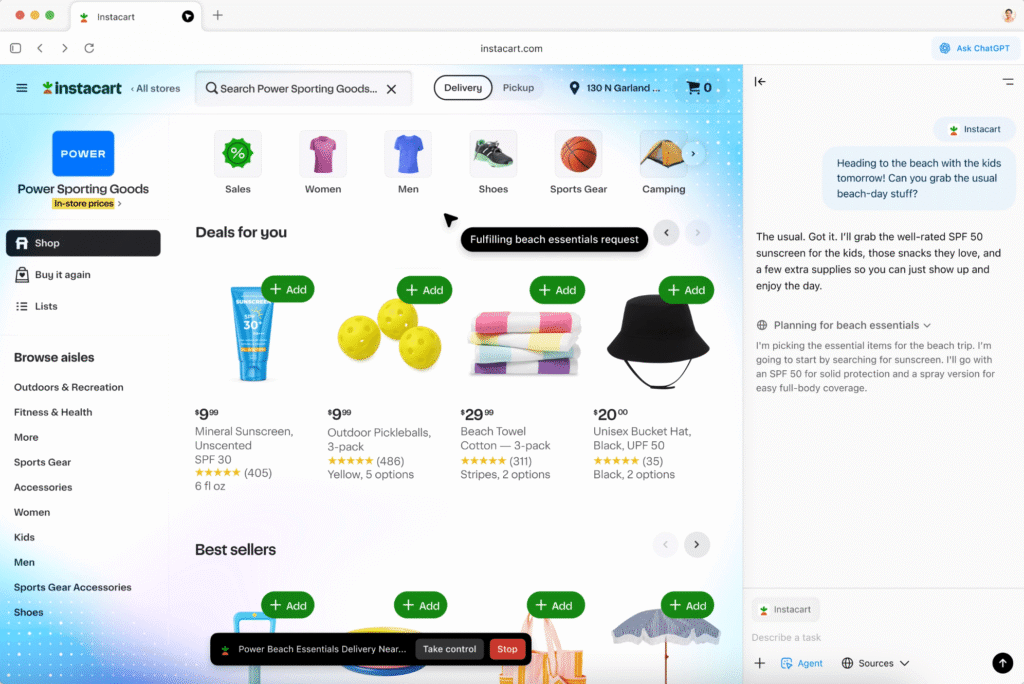
OpenAI has officially entered the browser market with ChatGPT Atlas, unveiled during a recent livestream that culminated months of anticipation. This AI-enhanced web browser, initially available globally on macOS, aims to challenge Google Chrome’s dominance by integrating OpenAI’s powerful language models directly into the browsing experience.
Unlike traditional browsers, ChatGPT Atlas offers contextual assistance, instant summarization, and AI-driven navigation, promising to redefine how users interact with the web. OpenAI CEO Sam Altman hinted at a “new product” that leverages conversational AI to streamline online tasks—an exciting prospect that could alter everything from research to daily browsing.
Google Fi Enhances Communication With AI Noise Filters and RCS Messaging
Google is enhancing its Google Fi Wireless plans with AI-powered noise filtering for calls and full Rich Communication Services (RCS) support on web messaging. These updates enable users to share high-quality photos and videos seamlessly, even when their phones are not nearby.
The integration of AI noise filters improves call clarity by intelligently suppressing background sounds, a much-needed upgrade as remote work and mobile communication continue to dominate.
Google AI Studio: Empowering Everyone to Build and Deploy Apps
In a bid to democratize app development, Google has revamped its AI Studio experience with a feature called Vibe Coding. This upgrade allows even non-developers to create and deploy fully functional web apps in minutes without prior coding knowledge. The intuitive interface offers smart suggestions, community tools, and easy deployment options, making app creation accessible to anyone with an idea.
This move aligns with growing trends aimed at reducing barriers to technology creation, empowering a broader audience to innovate and participate in the digital economy.
Apple MacBook Pro M5 Review: Refining Excellence
Apple’s latest MacBook Pro equipped with the M5 chip continues the legacy of high performance and reliability. While the new model largely mirrors last year’s design, upgrades in processing power, RAM options, and connectivity promise to satisfy both creative professionals and everyday users.
This iteration confirms Apple’s commitment to refining its hardware ecosystem, especially as AI and machine learning workflows demand more robust computing resources.
Microsoft Raises Xbox Developer Kit Prices Amid Industry Shifts
Microsoft is increasing the price of its Xbox Development Kit (XDK), a move that signals shifting economics in the gaming industry. After recent hikes in console and subscription costs, this price adjustment could impact indie developers and smaller studios aiming to create Xbox games.
This development reflects broader challenges in balancing platform accessibility with the rising costs of maintaining cutting-edge hardware and software ecosystems.
Veeam’s $1.7 Billion Acquisition of Securiti AI Boosts Data Security
In a significant deal, Veeam has acquired Securiti AI for $1.7 billion to integrate advanced data command center capabilities into its data resiliency products. This acquisition underscores the growing importance of AI-driven data security in an era marked by increasing cyber threats and regulatory demands.
Quick Hits
- Embryo Ethics and AI: Stem-cell scientist Jacob Hanna’s work on synthetic embryo models sparks new ethical conversations in biotech (MIT Technology Review).
- Noninvasive Endometriosis Tests: Advances in diagnostic technology promise faster, less painful detection of endometriosis, a condition affecting millions (MIT Technology Review).
- Reducing Chatbot Risks: Experts urge caution and ethical AI development to mitigate risks associated with increasingly sophisticated chatbots (MIT Technology Review).
Trend Analysis: AI Integration Across Platforms Accelerates
The convergence of AI and everyday technology continues to accelerate across multiple domains—browsing, communication, app development, and data security. OpenAI’s ChatGPT Atlas embodies a shift where AI moves from being a backend assistant to a frontend interface, fundamentally changing how users engage with digital content. Similarly, Google’s enhancements in messaging and app creation lower the barrier for AI adoption, signaling a future where AI tools empower everyone, not just specialists.
Meanwhile, data security remains a critical focus as companies like Veeam absorb AI-driven firms to bolster resilience against emerging threats. The gaming industry’s response to rising costs highlights the tension between innovation and accessibility, a theme likely to recur as platforms evolve.
Overall, the integration of AI is becoming more seamless, embedded, and essential, setting the stage for a new generation of smart, adaptive technology ecosystems.
Conclusion
As AI continues to weave itself into the fabric of our digital lives—from browsers to phones, from creative tools to security systems—the question arises: How will we balance the immense benefits of AI-powered convenience with the ethical, economic, and social challenges that come with it? OpenAI’s ChatGPT Atlas and Google’s expanding AI capabilities offer tantalizing glimpses of what’s possible, but they also call for thoughtful consideration of AI’s role in shaping our future.
What innovations do you think will most shape your digital experience in the coming years, and how should we prepare for the responsibilities they bring?
Leave a Reply